





In Children and Young Adults
Correcting Birth Defects: Craniofacial reconstruction can repair abnormalities resulting from congenital disorders, such as cleft palate, Treacher Collins Syndrome, Apert Syndrome, or Crouzon Syndrome. Surgery in young patients requires careful planning to allow for future growth of facial bones and the skull.
Traumatic Injuries: Accidents, sports injuries, or even child abuse may cause facial trauma in children. Early intervention not only restores appearance but also ensures proper function of the oral and nasal airways.
In Adults
Trauma Recovery: Most adult cases involve reconstructing facial structures after head or facial trauma from accidents or violence.
Cancer Reconstruction: For cancer patients, reconstruction following tumor surgery or radiation therapy can restore both bony structures and soft tissue, significantly improving function and appearance.
Both adults and children benefit from these procedures by regaining oral function, enhancing facial symmetry, and improving sensory organ performance.
Conditions Treated
Craniofacial reconstruction addresses a range of conditions, including:
Genetic Disorders
and Birth Defects
Cleft Lip and Palate
A common condition affecting one in every 700 newborns in the
I-Inited States, which can significantly impact feeding, speech, and
appearance.
Down Syndrome
A congenital disorder occurring in 1 out of every 900 infants, often
characterized by distinct facial features.
Treacher Collins Syndrome
A rare disorder (approximately 1 in every 10,000 births) that results
in underdeveloped facial bones and airway challenges.
Apert and Crouzon Syndromes
Both syndromes involve craniosynostosis (premature closing of
skull sutures), leading to misshapen heads, facial deformities, and
associated breathing or dental issues. Apert Syndrome is very rare,
affecting 1 in 150,000 children, while Crouzon Syndrome affects
about 1 in 25,000 infants.
For more detailed information on congenital conditions,
please refer to the American Society of Plastic Surgeons website.
Traumatic Injuries
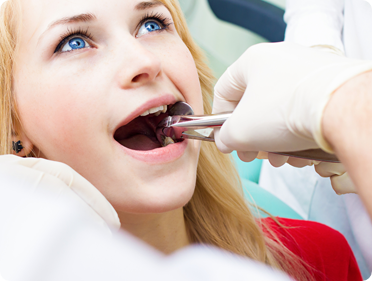
Blunt Trauma and Lacerations
Injuries from car accidents, falls, or sports
can result in complex facial fractures and
soft tissue damage.
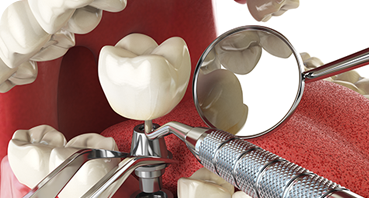
Burns and Animal Bites
These can also lead to significant facial
disfigurement requiring surgical repair.
Advanced Technology and
Post-Operative Care
At Desert Maxillofacial, our state-of-the-art facility utilizes advanced imaging
technology, including an in-house radiographic machine and 3D Cone Beam CT,
to ensure precision in both surgical planning and post-operative monitoring.
- 3D Imaging & Planning
Detailed imaging allows us to create a precise surgical roadmap tailored to each patient’s unique anatomy. - Post-Operative Monitoring
Our treatment coordinators closely monitor recovery, scheduling any necessary follow-up procedures, such as titanium screw or suture removal, to ensure optimal healing.
Why Choose
Desert Maxillofacial?
Expert Surgical Team
Our board-certified surgeons have extensive experience in both
reconstructive and aesthetic facial surgery.
Personalized Treatment Plans
We develop individualized treatment strategies that address each
patient’s unique functional and aesthetic needs.
Comprehensive Care
From initial consultation through post-operative recovery, our
multidisciplinary approach ensures the best possible outcomes.
To learn more about our comprehensive services or schedule a consultation
Get in Touch
Now Serving Palm Springs
Address
1900 E Tahquitz Canyon Way, STE A1
Palm Springs, CA 92262
Contact
Phone: (760) 327-1509
Office Hours
Monday–Thursday : 8:00 AM to 5:00 PM
Friday : 7:30 AM to 1:30 PM.